

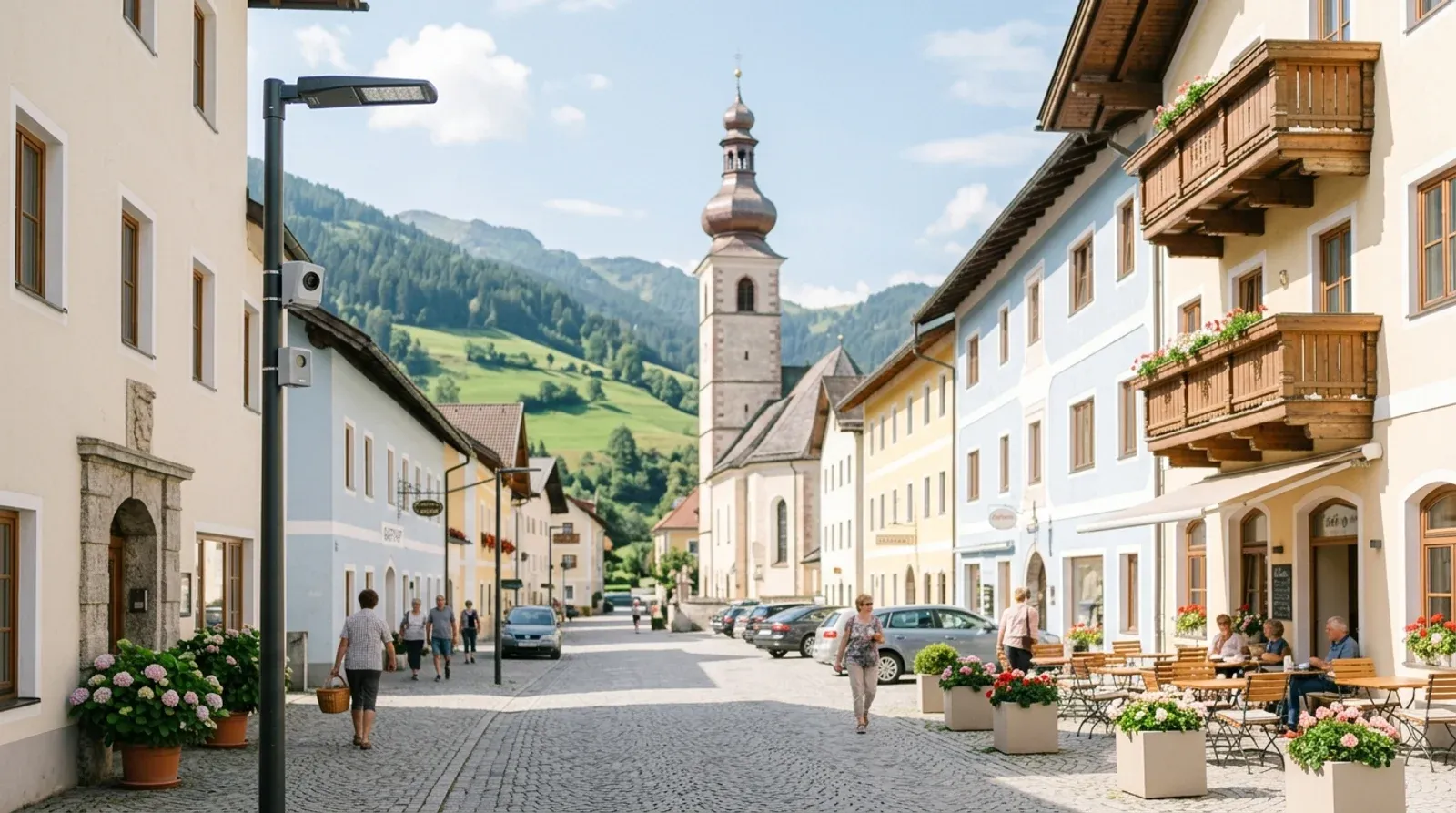
Look at how municipalities try to become smart regions and you'll often find the same pattern: a strategy paper gets commissioned, a concept with thirty measures takes shape, a funding application is written. Two years later, much has been discussed and little has been built. Not because anyone did anything wrong — but because that approach doesn't fit the reality of small administrations.
There is another way. The municipalities that actually make progress almost always start the same way: with a single, tightly scoped use case that solves a real problem and delivers results in months, not years.
Why master plans end up in a drawer
A comprehensive smart city master plan demands decisions about things nobody can know at planning time: Which sensors prove themselves in daily use? What data does the public works department actually need? How do residents react? The bigger the plan, the more of these assumptions pile up — and the higher the barrier to ever getting started.
Then there's budget logic. A project worth several hundred thousand euros needs council resolutions, tenders, often grant funding. A modestly sized pilot, by contrast, fits within a running budget — and produces the arguments for everything that follows.
What makes a good pilot project?
Not every small start is automatically a good one. Four criteria have proven themselves:
- A tangible problem: something that already annoys the administration or residents today — overflowing containers, endless parking searches, high street-lighting costs.
- Measurable from day one: baseline numbers exist or can be gathered quickly. Otherwise there is nothing to compare against later.
- Limited scope: one district, one street, twenty containers — small enough to install in weeks.
- A path forward: the solution runs on a platform that can carry later use cases, instead of ending as an isolated island.
An example: waste logistics in town
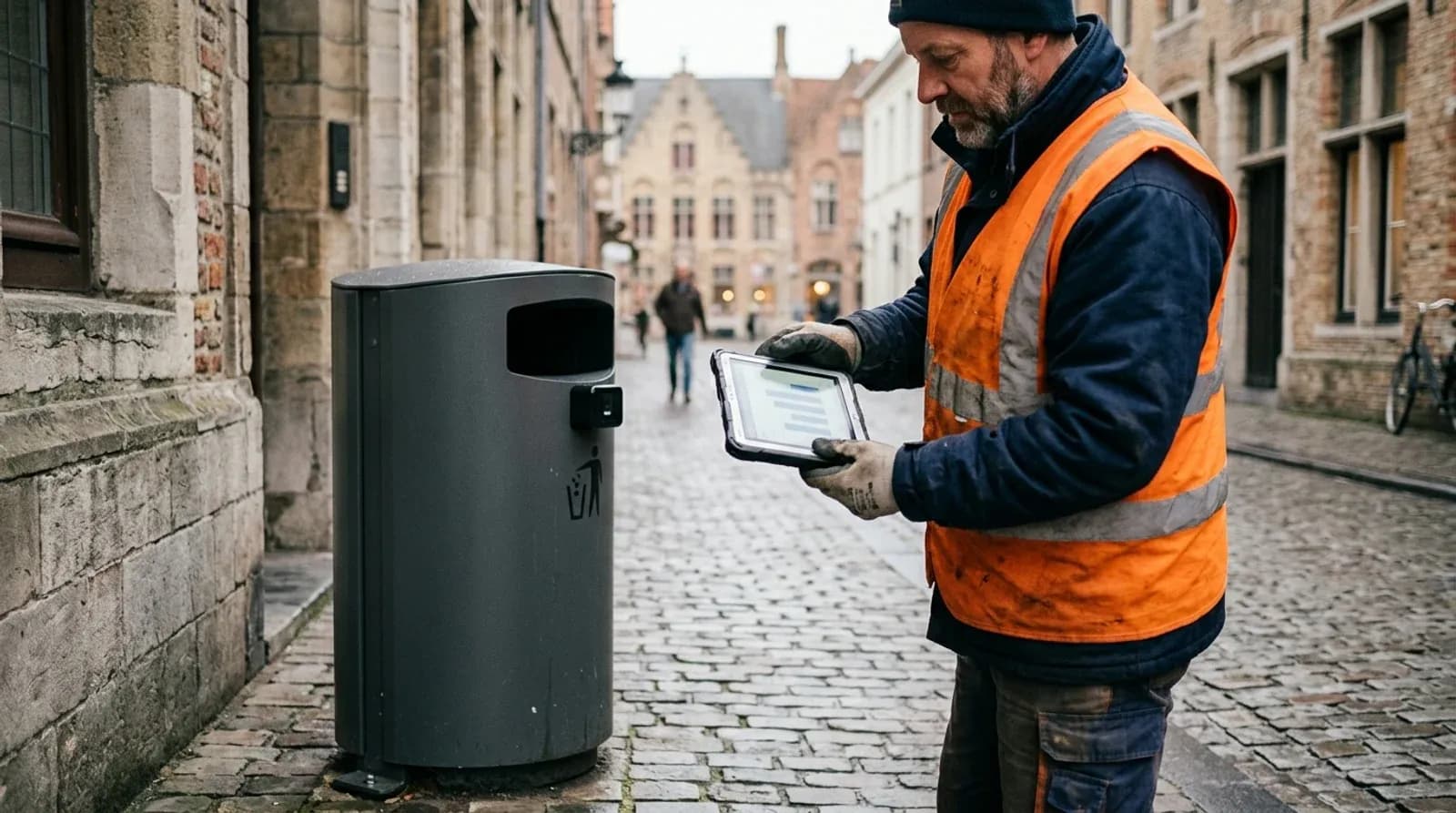
Waste management is a grateful candidate for getting started. The setup is manageable: fill-level sensors in public collection containers, a dashboard for the works department, a first analysis after a few weeks. Collection then no longer follows a fixed calendar but happens when containers are actually full.
To be honest: the first weeks are unspectacular. Sensors need calibrating, container types need accounting for, crew routines need adjusting. It gets interesting from the second month, when patterns emerge — which locations fill daily, which have sat half empty for weeks. Those patterns are the real result of the pilot: they turn gut feeling into reliable numbers.
What does getting started cost?
The honest answer: it depends on the use case — on the number of sensors, the connectivity, and what infrastructure is already in place. More important than any blanket figure is the order of magnitude: a well-scoped pilot sits within a normal operating budget, not a construction budget. To get a concrete quote instead of an estimate, you need one thing above all: a clearly defined scope.
From pilot to platform
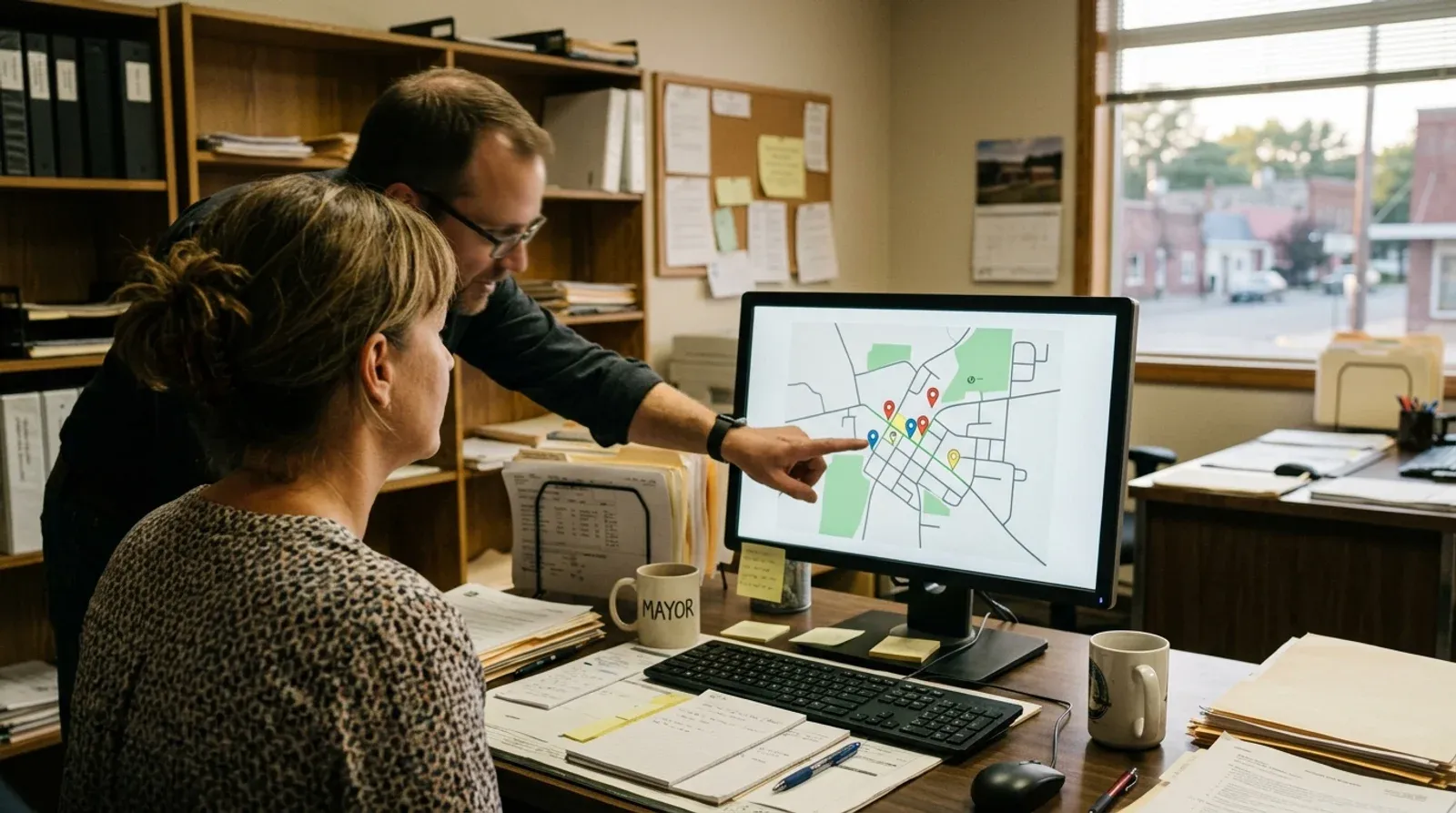
The second common mistake, after the oversized plan, is undersized technology: five pilots, five apps, five logins. That's why the platform question belongs in every pilot decision: does the data flow into a system that can later also carry parking, water or environmental data? With a central IoT hub, the first use case becomes a foundation — and every further one an extension rather than a restart.
A realistic timeline
From the first assessment to ongoing analysis typically takes months, not years: a prioritization workshop, a few weeks for installation and connectivity, then operation and evaluation over one or two quarters. After that, there is enough on the table to decide properly — scale up, adjust, or drop it. And dropping it would be a success too: a discarded pilot costs a fraction of a failed master plan.
A smart region is not a state you resolve to have, but a practice you grow into. The first step is smaller than most strategy papers suggest.